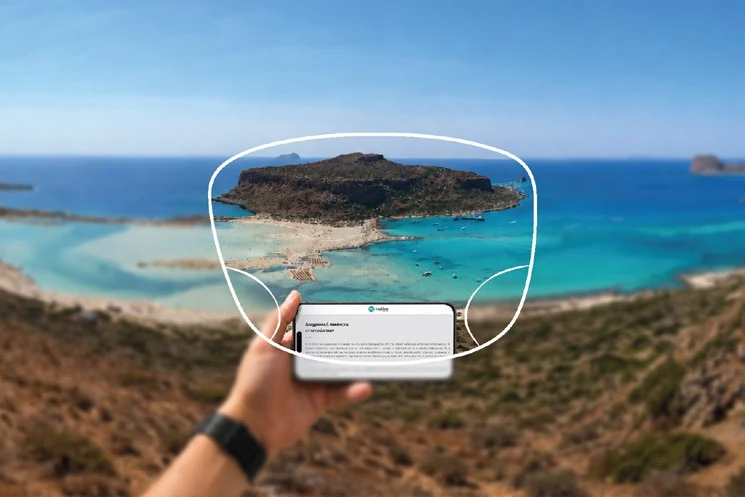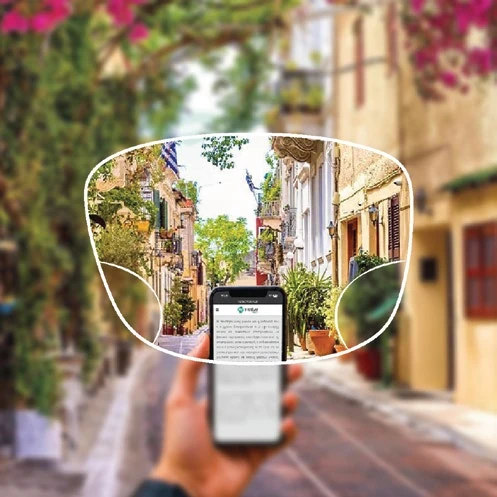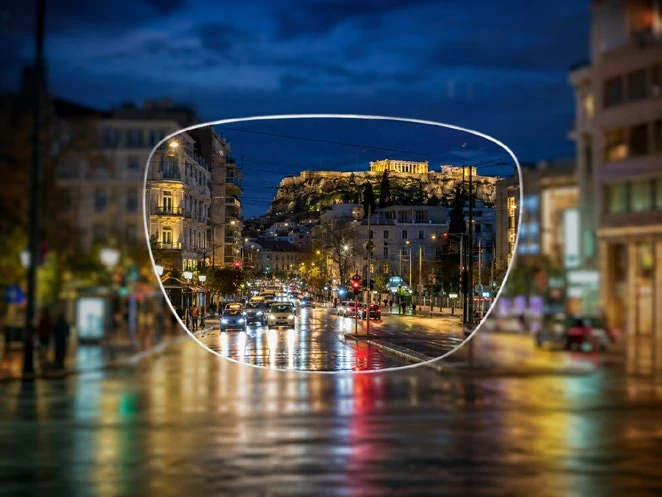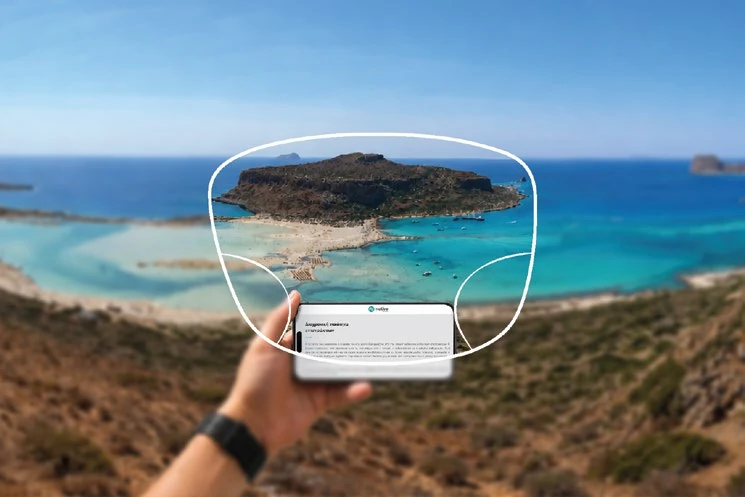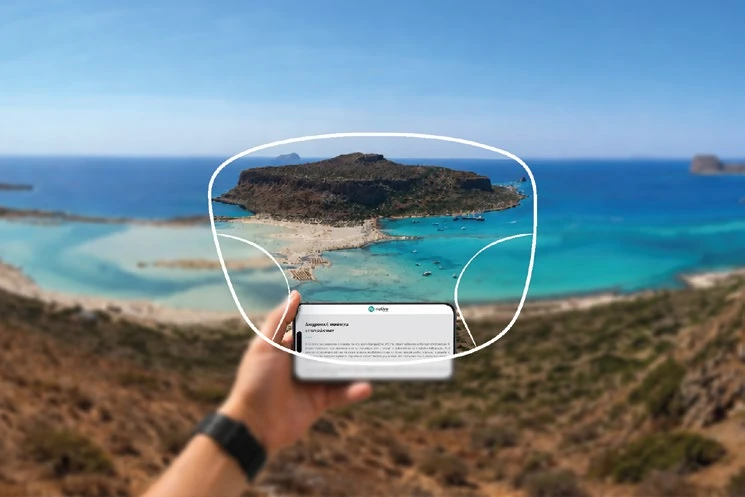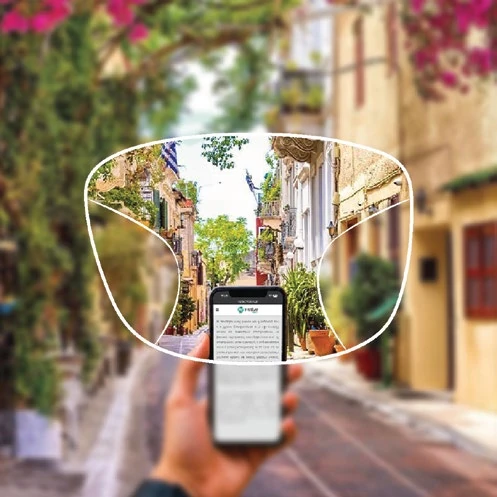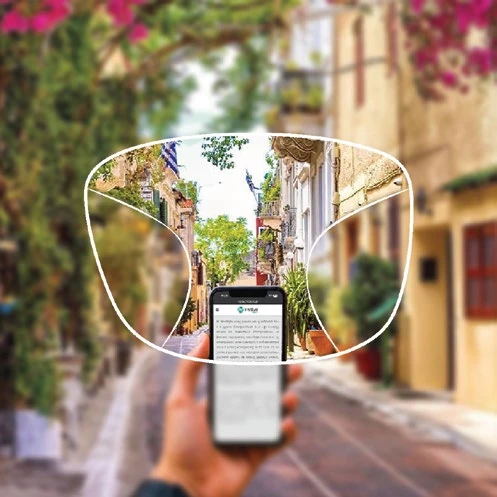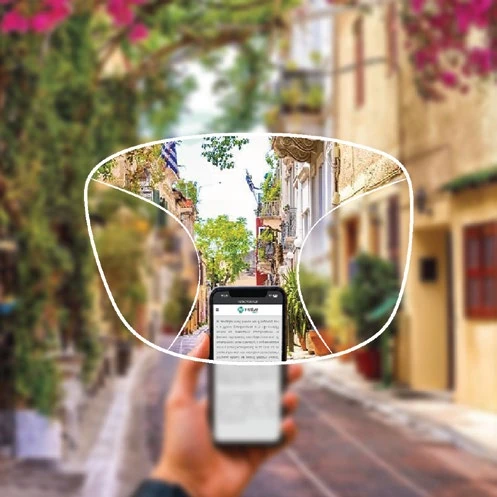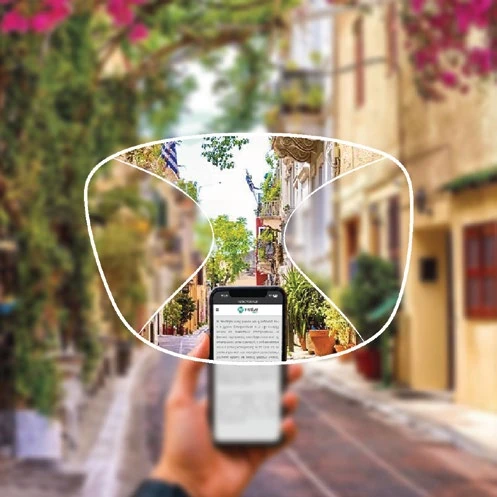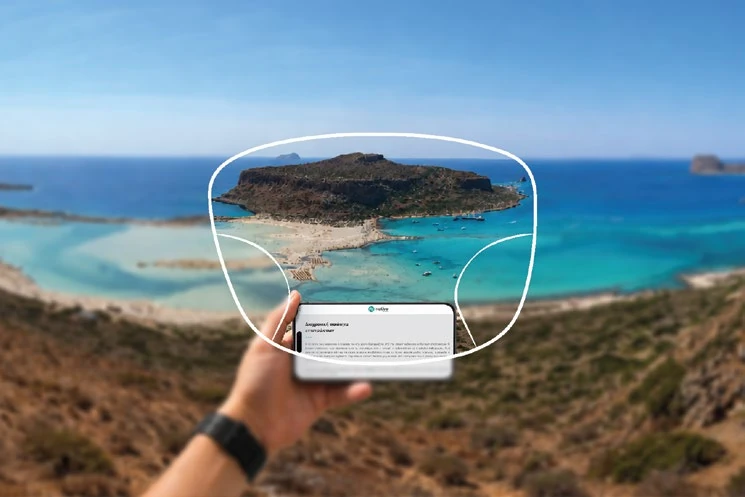
Personalised dual-surface design
Digital Life PRO HD
Additional HD optimisation of the front surface, enabling both lens surfaces to work together.
Explore the designDesigns for different distances
Distance, intermediate and near. A progressive design for the way you use your vision.
Progressive lenses combine areas for distance, intermediate and near vision, with gradual transitions between them. The choice of design depends on the prescription, frame and distances used in everyday life.
The Native Vision collection includes the Camber Digital Life range, seven Freeform designs and Digital Drive for the visual demands of driving. From a first experience with progressive lenses to the personalised Orion VR, each model places a different emphasis on the distribution of visual fields and fitting data.
Progressive lenses
Personalised dual-surface design
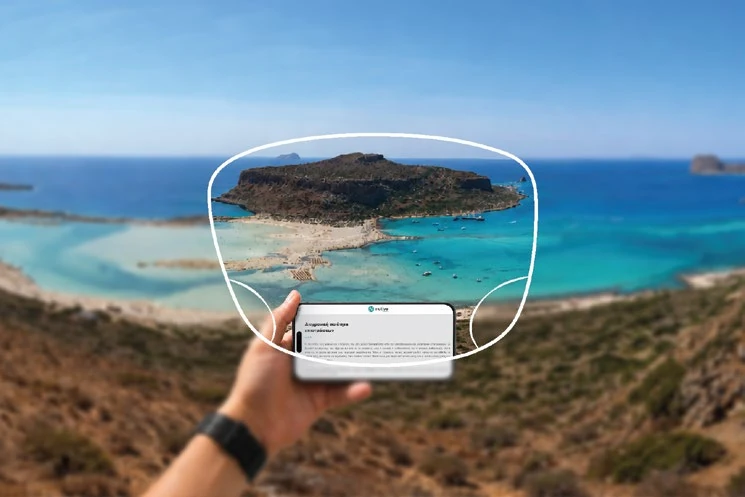
Additional HD optimisation of the front surface, enabling both lens surfaces to work together.
Explore the designDual-surface Camber
A personalised progressive lens with stable visual fields and smooth connections between distances.
Explore the designDual-surface digital design
A smooth progressive zone and a 13 mm fitting-height option.
Explore the designProgressive design for driving
Two distance vision areas, designed around driving posture and visual demands.
Explore the designPersonalised progressive lens
The only progressive lens that adapts to the wearer, rather than the wearer adapting to the lens.
Explore the designPersonalised FreeForm design
Advanced optical power calculations, with a focus on functional visual fields and smooth shifts between distances.
Explore the designA focus on intermediate vision
DFZ15 and Smart Add for wearers who frequently move between different working distances.
Explore the designDigital back-surface design
FreeForm and Conversion As-Worn Powers for everyday transitions between distance and near vision.
Explore the designBalanced FreeForm design
Digital construction that takes prescription, frame geometry and fitting parameters into account.
Explore the designGradual familiarisation with progressive vision
Balanced fields of vision, with a focus on smooth transitions between distances.
Explore the designA first introduction to progressive vision
Distance, intermediate and near vision in one lens, with gradual transitions between distances.
Explore the designThe design families
The families differ in their design approach and the needs they serve. Each family includes individual models with specific technological features.

Camber · Digital Life
The Camber family includes Digital Life PRO HD, Digital Life PRO and Digital Life. The dual-surface designs are combined with Conversion As-Worn Powers, which takes the lens's optical behaviour in actual wearing conditions into account.
Digital Life PRO HD adds front-surface optimisation through the HD parameter. Digital Life PRO uses additional frame fitting parameters, while Digital Life offers a fitting height as low as 13 mm.
From need to lens
Progressive lens geometry, fitting parameters and available material options vary by design. Selection is based on working distances, the frame and prescription data.